
Dental Implants Idaho Falls
Restore Your Smile and Boost Your Oral Health

When it comes to replacing missing teeth, dental implants are often considered the gold standard—and for many reasons, but primarily due to the fact that they replace the entire structure of a missing tooth, from its roots to its crown. They also offer several other distinguishing benefits. To learn more about dental implants in Idaho Falls and how they can be used to restore your smile and provide a significant boost to your oral health, contact our office today!
Why Choose Discover Family Dental for Dental Implants?
- Dental Implant Process Completed In-House
- Flexible Financing Options Available
- Personalized Treatment Plans for Every Patient
What are Dental Implants?

Dental implants are small posts that are surgically placed beneath a patient’s gumline, directly into their jawbone tissue. These posts are made from biocompatible materials, meaning they can healthily fuse with the jawbone and function exactly like tooth roots. They offer incredible stability for any sort of custom-made dental restoration, as well as unmatched oral functionality and the prevention of bone resorption. Under ideal circumstances, dental implants have the potential to last for decades or even a lifetime, making them an enticing option compared to traditional restoration options.
The 4 Step Dental Implant Process
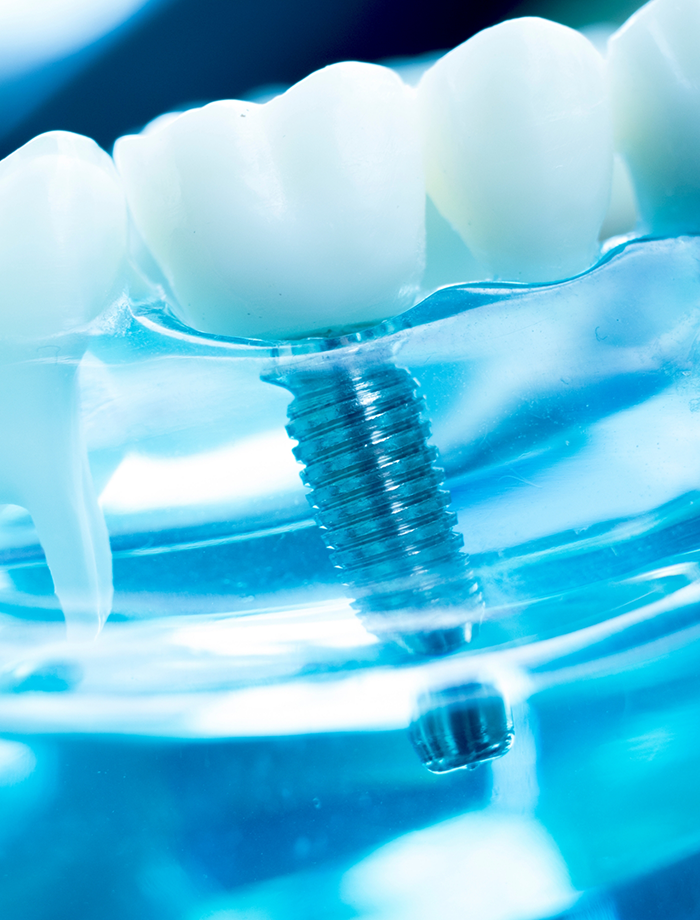
- Initial Dental Implant Consultation As with any type of oral surgery, the first step of the dental implant process involves a consultation. Your jawbone’s density and oral health will be evaluated to determine that you’re a good candidate; a supplemental bone graft, sinus lift, periodontal treatment, or another preliminary procedure may be necessary beforehand.
- Dental Implant Surgery Dr. Jenkins can place your dental implants himself in his Idaho Falls office, meaning you won’t need to coordinate with other teams or offices. The procedure is quite straightforward; the implants are strategically placed directly into the jawbone tissue, beneath the gumline.
- Dental Implant Osseointegration/Abutment Once they’ve been placed, osseointegration can occur, which describes the fusion between the biocompatible implant posts and your bone tissue. This will take a few months to complete; afterward, your abutments can be attached, which will eventually secure your replacement teeth.
- Delivery of Dental Implant Restoration(s) Finally, once everything’s healed up, we can call you back in to deliver your custom-made restoration(s). Dental implants can be used to support any type of restoration, so rest assured, your new smile will look, feel, and function as good as ever!
Benefits of Dental Implants

It’s estimated that over half a million dental implants are placed annually, meaning many patients are gaining access to all of the incredible benefits that they have to offer! Once you’ve undergone the procedure and completely healed, you can be sure to make the most of a wide range of advantages for your smile. Here are some of the common benefits that you can expect with dental implants.
Day-to-Day Benefits

- Simplified Care: Unlike traditional restorations such as bridges and dentures, which often demand specialized cleaning products or techniques, dental implants act like natural teeth. You can maintain them with routine brushing, flossing, and mouthwash, just like your regular smile.
- Restored Chewing Strength: Dental implants allow you to regain most of your natural biting power—around 80% or more—so you can enjoy a wider variety of foods, including those with firmer textures.
- Boosted Confidence: Crafted from titanium and tooth-colored materials to blend seamlessly with your natural teeth, implants let you smile confidently without worrying about noticeable differences. Others won’t even be able to tell the difference between your restorations to your natural pearly whites.
Health Benefits

- Prevents Bone Loss: Missing tooth roots can cause the jawbone to shrink over time, leading to further tooth loss and dental shifting. Implants provide essential stimulation to promote healthy bone growth and maintain jaw structure. Not only will this help preserve the stability of your metal posts, but it can also help you retain a more youthful facial structure.
- Supports Overall Oral Health: Functioning like natural teeth, implants are easier to care for long-term, reducing the risk of decay, cavities, and gum disease. Since you won’t require special tools or techniques to maintain them, you can enjoy a significantly lower chance of developing oral health concerns so long as you practice good oral hygiene every day, as well as visiting your dentist every six months.
Long-Term Benefits

- Proven Success: Dental implants maintain a success rate of 95% or higher, even a decade after placement.
- Durable Results: Unlike bridges or dentures that may need replacement after 15 years, implants can last decades or even a lifetime with proper care.
- Cost-Effective Over Time: Without the need for adhesives, soaking solutions, or extra maintenance products, implants can save you money in the long run.
Who Dental Implants Can Help

Dental implants aren’t just long-lasting and cutting-edge; they are incredibly versatile. So, if you are struggling with tooth loss – no matter how severe – don’t hesitate to schedule an appointment at our Idaho Falls office so we can learn more about your dental needs and determine if you’re a good candidate. Until then, you can read on to learn more on the topic!
Who Is a Good Candidate for Dental Implants?
At your consultation, we will review your medical history, take a look at your latest X-rays, conduct a comprehensive oral exam, and learn about your lifestyle. The goal? To determine if you’re a good candidate for dental implants. Typically, patients who have healthy gums, sufficient jawbone density, and a commitment to good habits are. Plus, if something initially stands in your way, there’s a chance we will be able to provide the necessary restorative care!
Missing One Tooth
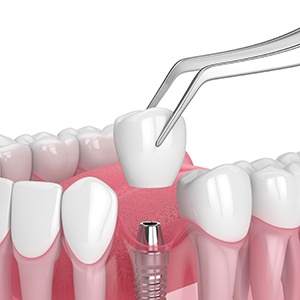
There’s a misconception that dental implants are only suitable for patients who are missing all of their teeth. That’s far from the case! In fact, they can be used to replace a single tooth – whether it’s a front tooth or a back molar. So, if you have a small gap in your smile, don’t hesitate to get an appointment with us on the calendar so we can explore your tooth-replacement options, including dental implants.
Missing Multiple Teeth
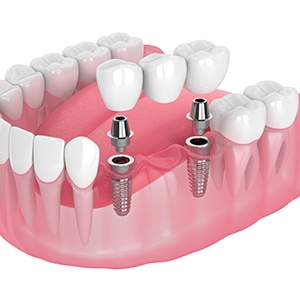
If you are missing multiple teeth, there are a few ways we can restore the appearance of your smile as well as the strength of your bite. The first is replacing every tooth with a dental implant. The second is using an implant bridge to replace several teeth consecutively. The third is anchoring a partial denture with strategically placed dental implants instead of metal clasps.
Missing All Teeth
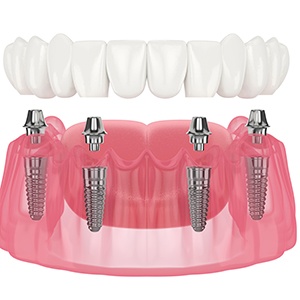
Extensive tooth loss can lead to several unpleasant consequences, including difficulty eating a varied, well-balanced diet. Fortunately, we have a solution: implant dentures. With this tooth-replacement option, we can replace an entire row of missing teeth in a way that looks and feels incredibly lifelike. So, don’t just accept not having teeth as your new normal; we can give you a complete smile again!
Interested in learning more about dental implants, including the different types available? Then take the next step: schedule a consultation with us so we can determine if you’re a candidate and, if you are, start working on your custom treatment plan.
Understanding the Cost of Dental Implants

When researching the cost of dental implants in Idaho Falls, it’s important to know that pricing can vary from patient to patient. Factors like the number of implants needed, the materials used, and any necessary preparatory treatments all contribute to the overall price.
At Discover Family Dental, our team offers custom treatment plans with fully transparent breakdowns of everything from start to finish. We’ll walk you through every detail, so there are no surprises. We believe this is the best way to help patients achieve their goals while staying on track with their finances.
Preliminary Treatments & Dental Implant Surgery

One way we help you save money right away is by performing every stage of your dental implant treatment in–house. That means no going to specialists for surgeries or other preparatory treatments like bone grafts or sinus lifts.
You’ll work exclusively with Dr. Jenkins and our knowledgeable team from start to finish. By keeping everything under one roof, we streamline your care, reduce costs, and make your experience more convenient and comfortable.
The Parts of Your Dental Implant
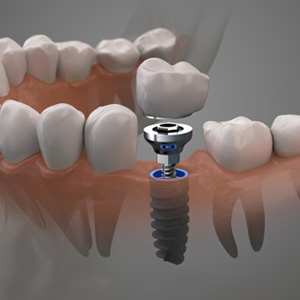
Many patients don’t know that a dental implant is actually made up of multiple parts—three, to be exact:
- The implant post, which replaces the tooth root
- The abutment, which connects the post to the crown
- The restoration (crown, bridge, or denture), which completes your smile
Each of these pieces carries a different cost depending on its material makeup and its brand. Our practice uses top-quality materials to ensure long-term success for your dental implants in Idaho Falls.
How Dental Implants Pay for Themselves

While dental implants may cost more upfront than bridges or dentures, they offer unmatched long-term value. Implants can last decades with proper care, or even for life, eliminating the need for frequent replacements.
They also support jaw health and help prevent bone loss, saving you money on future treatments. At Discover Family Dental, we believe your smile is worth the investment, and we’re dedicated to making sure you receive all the dividends!
Does My Dental Insurance Cover Dental Implants?

Unfortunately, most dental insurance providers classify implants as an “elective” or even “cosmetic” procedure. This means that the vast majority won’t cover them in full. However, some insurance plans may cover portions of dental implant treatment, such as the crown or preliminary procedures.
At our Idaho Falls practice, we’re in-network with most insurance plans and happy to review your benefits with you. Our team will file claims on your behalf and help you maximize your coverage. We’ll make sure you understand every financial aspect of your treatment before it begins.
Making Dental Implants Affordable

To make your new smile more budget-friendly, we offer flexible financing through CareCredit and Cherry, both of which allow you to break treatment costs into monthly payments.
We also run periodic special offers to help make the cost of dental implants more manageable. Ready to take the plunge and achieve a stronger, more beautiful smile? Ask our team about your options and get ready to make your dreams a reality.
Dental Implants Post-Op Instructions
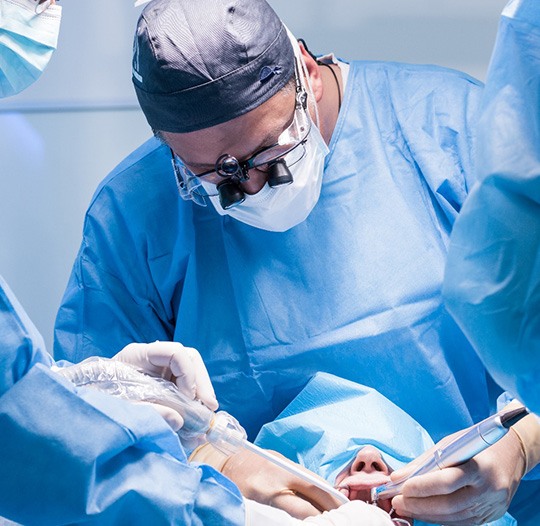
Dr. Jenkins has completed extensive dental implant training to perform the entire procedure from start to finish for your convenience. This advanced treatment typically has an incredibly high success rate of more than 90%, but it’s essential to care for your mouth carefully after your appointment to avoid potential complications.
Our team in Idaho Falls will provide detailed post-operative instructions for you to follow intended to help your new teeth heal as quickly as possible while avoiding adverse effects. Continue reading to learn more about what we usually recommend following surgery!
What to Do Directly After Dental Implant Surgery
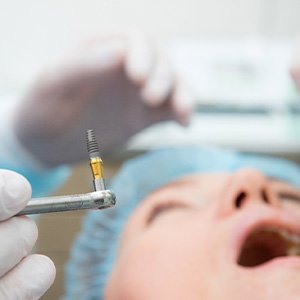
Immediately following your procedure, the biggest priority is preserving the blood clot that must form at the implant site to prevent potential infection. You can avoid damaging or dislodging it by:
- Drinking plenty of fluid, but directly from a glass, not through a straw.
- Don’t spit aggressively; swallow your saliva or use tissues to help keep your mouth clean.
- Don’t smoke for at least the first day.
- Try not to touch the surgical site with your tongue or fingers.
Common Side Effects When Recovering from Dental Implant Placement
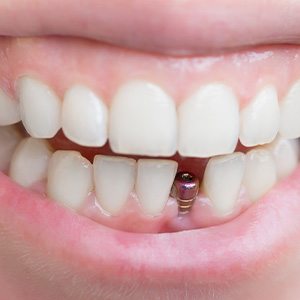
Are you curious what symptoms are considered normal following your implant procedure? Most patients can usually expect to experience the following symptoms after their appointment:
- Intermittent bleeding. To slow bleeding, place clean gauze and press down with light pressure. Oozing may continue for multiple days.
- It’s normal for your teeth, gums, and jaw to look or feel swollen for a few days, which can often be alleviated by placing a hot or cold compress to that side of your face.
- General discomfort. You will likely feel sore for the first 72 hours, though aches typically peak on the third day and then begin to gradually subside. In many cases, over-the-counter pain medications can safely reduce associated throbbing.
Your Diet After Dental Implant Surgery

Eating anything too hot, cold, crunchy, sticky, or spicy could irritate your already tender teeth and gums or harm your new implant. We suggest sticking to softer foods initially, such as mashed potatoes, scrambled eggs, yogurt, applesauce, ice cream, or pudding.
Then, it’s usually safe to reintroduce more solid foods to your diet as you feel comfortable, though you might want to try to chew on the opposite side of your mouth from your implant for a few days.
Post-Op Health & Oral Hygiene
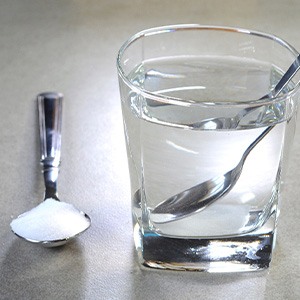
We might ask that you avoid brushing and flossing your teeth the day of your procedure to give your gums a chance to mend before scrubbing them clean. Instead, you can rinse your mouth gently with warm salt water to naturally clear away bacteria to help prevent disease or infection.
Then, it’s often safe to resume your usual twice-daily dental hygiene routine the day following your surgery. Please avoid using mouthwashes that contain alcohol, which can hinder healing.
What to Do After Your New Teeth Are Attached
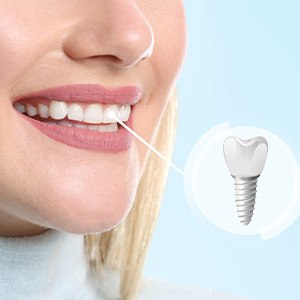
The final step in the process of getting dental implants is attaching your restoration. Thankfully, this process is straightforward and doesn’t typically hurt. We’ll check that your new tooth fits correctly and functions as intended, and if everything checks out, we can send you home with your beautifully rebuilt smile!
Maintaining & Caring for Your Dental Implants

Your dental implants can keep your smile beautiful, functional, and complete for many years if you take excellent care of them. Luckily, implants are just as easy to care for as real teeth, and they only need the same oral health habits to stay in great shape. Here’s a quick look at how you can keep your new teeth beautiful and healthy for decades from the team at Discover Family Dental.
Make Oral Hygiene a Priority
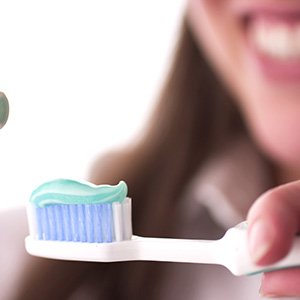
Dental implants require the same oral hygiene regimen as real teeth. Every day, make sure to brush at least twice, floss at least once, and use antibacterial mouthwash to eliminate plaque and food debris that can lead to painful and destructive oral infections. When flossing, take special care to avoid pressing too far into the gums supporting your dental implants to avoid injuries.
Eat a Healthy Diet

It’s important to enjoy a healthy diet after receiving dental implants so your mouth has the nutrients it needs to properly integrate them into the gum and jaw tissue. Be sure to enjoy plenty of lean protein, fresh fruits and veggies, and dairy products rich in vitamins and minerals. However, indulging too much in hard, sugary, acidic, or sticky foods and beverages can set you up for dental infections or injuries that can compromise your implants.
Break Bad Habits

Tobacco use, excessive alcohol consumption, and using your smile to open packages or bottles are great ways to compromise the health of your natural and artificial teeth. It’s best to quit these habits to keep your dental implants safe from harm.
Protect Your Dental Implants

While dental implants are made from strong materials like ceramics and titanium, they are not indestructible and can be damaged by oral injuries. To prevent this, be sure to wear an athletic mouthguard when riding a bicycle or playing sports or a nightguard if you grind your teeth in your sleep. We can provide you with customized protective dental appliances like these that deliver superior protection.
Schedule Regular Dental Checkups

The American Dental Association recommends seeing your dentist for routine exams and cleanings every six months, and this still applies even if you have replaced all your teeth with dental implants. These visits allow Dr. Jenkins to thoroughly clean your mouth, monitor the health of your implants, and detect and address problems in their early stages.
Dental Implant Technology
Modern dental technology can significantly improve your treatment experience as well as promote favorable outcomes. We’re proud to have several advanced systems for dental implant treatment here in Idaho Falls. Click the button below to learn more about how our dental implant technology benefits you.
CBCT/Cone Beam CT Scanner

A Cone Beam CT Scanner (CBCT for short) is a type of imaging device that’s so impactful on the dental implant treatment process that many dentists consider it to be a necessity. You’ll stand on a designated spot underneath the machine and rest your chin on a special stand. The scanner will rotate around you, taking detailed, 360-degree snapshots of your oral cavity.
Unlike traditional X-rays, our CBCT scanner will produce 3D images that we can use to strategically plan out your implant surgery. This makes the process that much more accurate, safe, and successful.
CEREC Same-Day Crown
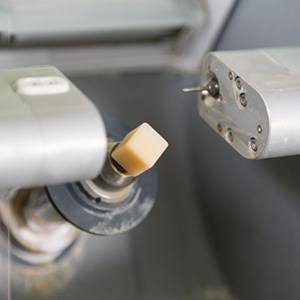
Under normal circumstances, impressions are sent to a dental lab, where skilled technicians use the measurements to fabricate the permanent version of a restoration. While these technicians are very capable artisans, the entire process can take up to two weeks.
If you’re capping your dental implant restoration with a crown, we can use our CEREC system to provide you with your permanent replacement on a same-day basis! We’ll simply “feed” the data from your impressions into the machine, and it will cut your crown out of a block of porcelain right here in our office.
Digital Impression System
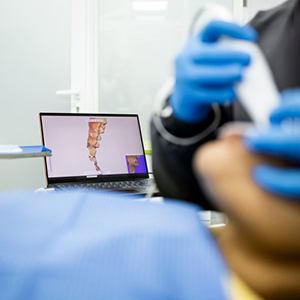
How do dentists get their patients’ oral measurements? We can’t exactly use a tape measurer to get a 3D understanding of how we need to scale your crown, bridge, or denture.
The “low-tech” solution would be to have you bite down on a type of dental puddy that will retain the shape of your bite. Many patients find this to be uncomfortable, however, and sometimes multiple impressions have to be taken in order to ensure accuracy.
At Discover Family Dental, we use a digital impression system to simply take pictures of your teeth. From there, we can use advanced software to analyze the pictures and digitally design your crown, bridge, or denture. Restorations made with digital impression systems tend to be more accurate – and don’t require any gray goo!
Dental Implant FAQs
Will people be able to tell that I have dental implants?
Dental implants in Idaho Falls are the closest thing to natural teeth. While dentures and dental bridges have a lifelike appearance, they often lack the same kind of feel and use as regular teeth. Dental implants replace the visible portions of missing teeth and their roots so the jawbone can thrive and remain stabilized. This cohesive approach ensures that others will never know you have dental implants. From their size, shape, and shade, to the way your artificial teeth allow you to eat and speak, you may even have a hard time telling the difference!
What can cause dental implants to fail?
The chances of dental implant failure are slim; however, your new teeth may suffer complications if you don’t take proper care of them. The most common reason dental implants fail is peri-implantitis. Similar to gum disease, it affects your implants instead of your natural teeth. Other possibilities include failed osseointegration (the fusing of your implants with the bone), poor lifestyle habits (smoking), an autoimmune disorder, facial trauma, or improper placement.
Before receiving dental implants, you can be sure that your implant dentist in Idaho Falls will discuss whether these prosthetic teeth are a good option for you.
How successful are dental implants?
When a trusted and skilled dental professional places your dental implants, you can expect their success rate to be more than 95%. Of course, this high percentage is only possible if you commit to taking proper care of your smile. This means brushing and flossing regularly, keeping up with your regular dental appointments, and maintaining a healthy diet, among many other things.
The success rate of your dental implants is also dependent on their location inside your mouth. Those placed toward the back of your mouth may face greater pressure and strain because they are your chewing teeth.
Am I too young to get dental implants?
Once you reach young adulthood, your jaw will be fully developed. Until then, it is recommended that you do not receive dental implants. Placing them before the jaw is set can interfere with this process, causing potential complications down the road. For this reason, most dentists will not provide dental implants to anyone under the age of 18.
Once your dentist is satisfied with the development of your jaw, you can begin to discuss whether dental implants may be the right option to replace any missing teeth.