
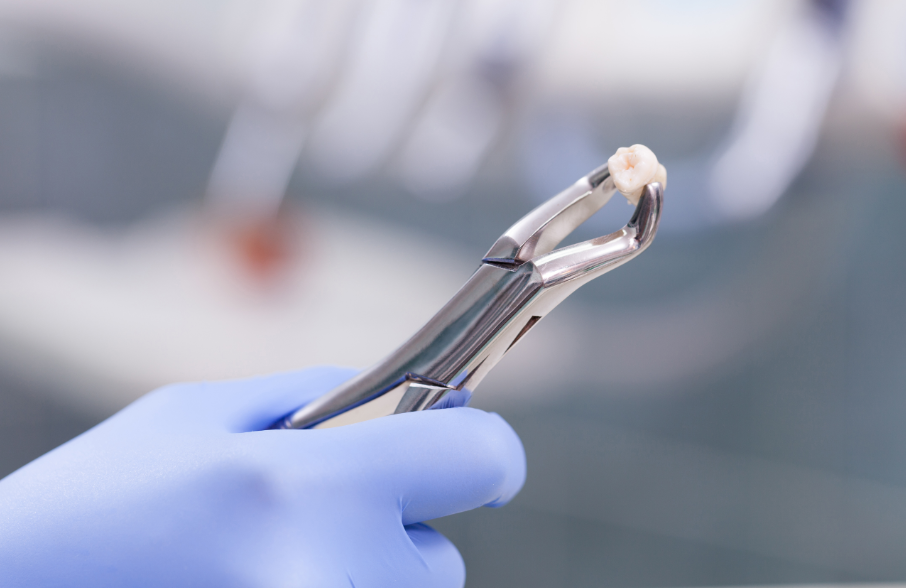
Nobody looks forward to having a tooth removed, but sometimes extraction is the best way to protect your oral health. While dentists generally try to preserve natural teeth whenever possible, a damaged, infected, or overcrowded tooth can create problems that are difficult to resolve with other treatments. Understanding the benefits of tooth extraction can help you feel more confident if your dentist recommends this procedure.
Why Would a Dentist Recommend Tooth Extraction?
Tooth extraction involves removing a tooth from its socket. Although it may sound intimidating, modern dental techniques and local anesthesia help make the procedure more comfortable than many patients expect.
Dentists typically recommend extraction when a tooth cannot be repaired predictably or when keeping it could compromise your oral health. Severe decay, advanced gum disease, significant fractures, and certain infections are common reasons for removal. Extraction may also be recommended when wisdom teeth cause pain, become impacted, or threaten nearby teeth.
The goal isn’t simply to remove a problem tooth. It’s to create a healthier foundation for your remaining teeth and gums.
What Are the Benefits of Tooth Extraction?
When preserving a tooth isn’t the best option, extraction can offer several important advantages.
It Can Help Stop the Spread of Infection
A severely decayed or infected tooth can allow bacteria to spread into surrounding tissues. When a tooth cannot be saved with treatments such as root canal therapy, removing it may help eliminate the source of infection and protect nearby teeth and gums.
Dental infections can become serious if left untreated, so contact your dentist promptly if you experience swelling, worsening pain, or other signs of infection.
It Can Relieve Persistent Tooth Pain
A damaged tooth can make everyday activities like eating, drinking, and sleeping uncomfortable. If the damage is too extensive for restorative treatment, extraction may relieve pain by removing the affected tooth.
However, tooth pain can have several causes, and extraction isn’t always necessary. Your dentist will evaluate the problem and discuss appropriate options before recommending removal.
It Can Protect Surrounding Teeth
A severely damaged tooth or an impacted wisdom tooth can affect neighboring teeth. Removing the problematic tooth may help prevent further damage, reduce pressure, and protect surrounding tissues.
Your dentist can determine whether extraction is likely to improve your overall oral health based on your individual circumstances.
It Can Create Space for Orthodontic Treatment
Sometimes, overcrowding makes it difficult to align teeth properly. In selected cases, extracting one or more teeth can create the space needed for orthodontic treatment.
This approach isn’t necessary for everyone with crowded teeth. Your dentist or orthodontist will consider your bite, jaw structure, and long-term smile goals before recommending it.
It Can Support a Long-Term Dental Plan
Removing a tooth that cannot be restored may make it easier to plan for future treatment. Depending on your needs, options for replacing a missing tooth may include a dental implant, bridge, or partial denture.
Replacement isn’t always necessary immediately, but discussing your options before extraction can help you understand how to maintain comfortable chewing and a healthy bite.
What Should You Expect After Extraction?
Some tenderness, swelling, and minor bleeding are normal after a tooth extraction. Following your dentist’s aftercare instructions helps protect the blood clot that forms in the socket and supports healing.
Your dentist may recommend soft foods, avoiding smoking and straws during the initial healing period, and keeping the area clean as directed. Contact your dental provider if pain worsens, bleeding persists, or you develop concerning symptoms.
Tooth extraction may sound daunting, but when it’s necessary, it can be an important step toward a healthier, more comfortable smile.
About the Practice
Dr. Tracy D. Jenkins founded Discover Family Dental in Idaho Falls, Idaho, with a commitment to providing high-quality, personalized dental care. A graduate of Indiana University School of Dentistry, Dr. Jenkins has pursued extensive continuing education, including advanced dental implant training. He takes a conservative, educational approach to treatment, helping patients understand their options while prioritizing their comfort and long-term oral health. His practice offers comprehensive dental services for the entire family.
Call us at (208) 522-8061 or schedule your appointment online